


This is going to be the first part of a series about how we implement Classical Conversations at home. I want to share how we use what we learn at Community Day during our daily homeschool at home. Be sure to read my post about Why We Chose Classical Conversations as well.
Our CC Community Day is on Tuesdays. We make CC the “start” of our week as far as reviewing memory work and Essentials . In future installments of this series I will go into more detail about each day but for now our week typically looks like this:
Tuesday: Community Day
Wednesdays: Foundations- listen to memory work several times, use memory work for daily copy work and penmanship practice. Essentials- Diagram sentence, Key Word Outline, Cut out vocabulary cards and read through.
Thursday: Foundations- Review orally all together during table time. Essentials- Diagram sentence, Brainstorming worksheet (if any) First Draft of paper, review vocab orally
Friday- Foundations- Review orally all together during table time, use app to review at the end of school day if time, decide on topic for Presentation. Essentials- Diagram sentence, dress up paper.
Monday- Review separately during table time, practice presentation (write notes if using) Essentials- Diagram sentence, final draft of paper
I am a minimalist in many ways of my life including homeschooling and specifically CC. I think the beauty of the program is in its simplicity. You don’t need a ton of materials or books to enjoy and be successful with CC. I remember I was at my first Practicum after my first year of CC. Prior to the practicum I was trying to find a curriculum for several subjects. I was looking through my Foundations Guide and realized what I was looking for was right here in a book I had already purchased. I was over complicating the process by adding more than necessary. Here is what we use at home to make CC successful, effective and fun.
Foundations:

Foundations Guide- When You think you have read your guide, go read it again. You’ll find something new I’m sure of it!

Audio CDs- I keep the CDs in my van to listen to while we are driving. I put the files on my phone so we can listen and review any time while I’m cooking, during school time, swinging on the swing set, out for a walk, etc. By using the CDs in the van I am less apt to fidget with my phone to pull up the files. I also recommend loading them on your phone in revers order that way you can review prior weeks and avoid listening to weeks you haven’t learned yet without having to get your phone out.
Tin Whistle- Not my favorite quarter of Fine Arts but the fact that we can sometimes end the 6 weeks with Christmas Carols gets me through. At the time of posting I cant currently find my whistles for a photo and don’t need them until further into the year. I’ll hunt them down from our move closer to the weeks we need them. If you aren’t buying them from the bookstore make sure you are purchasing one in the correct key. Dont wait until week 7 to find yours or you’ll be scurrying around stalking online tracking and praying it arrives before your community day. Dont ask me how I know….

Flash Cards- When we first started CC I though I could make my own flash cards. After much time and money spent I wish I had just spent the money on these sooner. The colors, size and quality is perfect. I use these when at home, tutoring, and can toss in a bag if we are doing school or just wanting to review at appointments or the library.
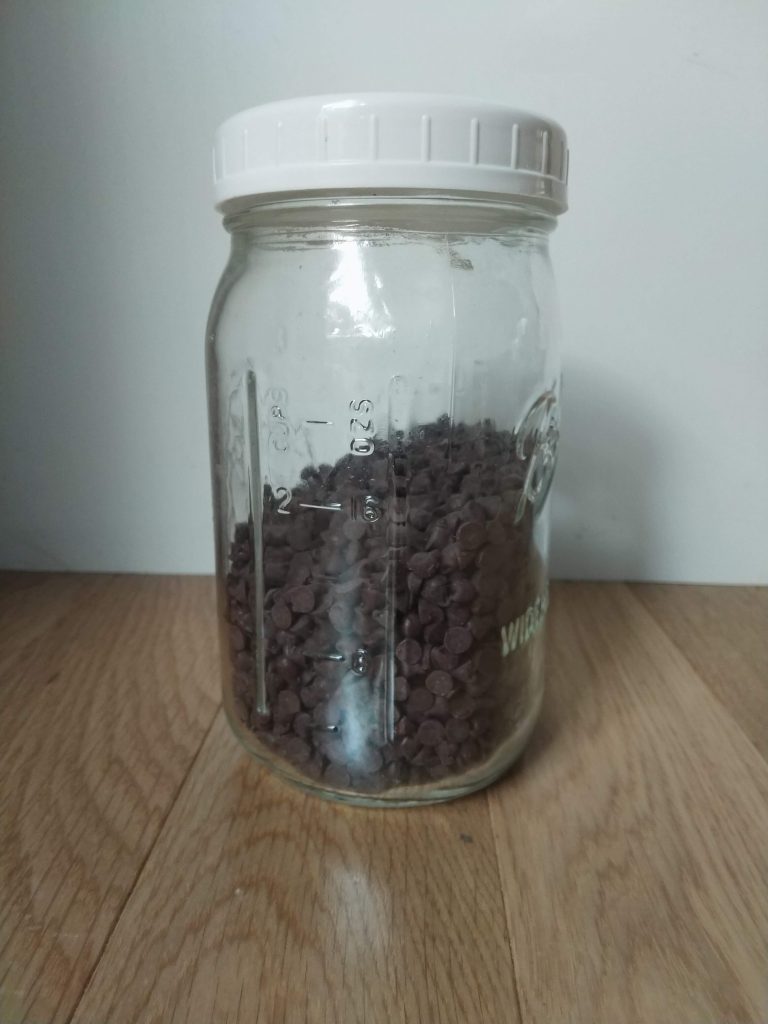
Mini chocolate chips- these are very helpful with Geography review.

Mini White board or other dry erase surface and dry erase markers- Good for copy work for memory work. I snag the white boards at Wal Mart for very cheap (under $2 a board with a marker) as well as the Dollar Spot at Target and Dollar Tree. This is also good for doodling during morning table time.
Essentials:

Essentials Guide- Like the Foundations Guide this has tons of information to help you. Use the materials you have purchased to their full use.
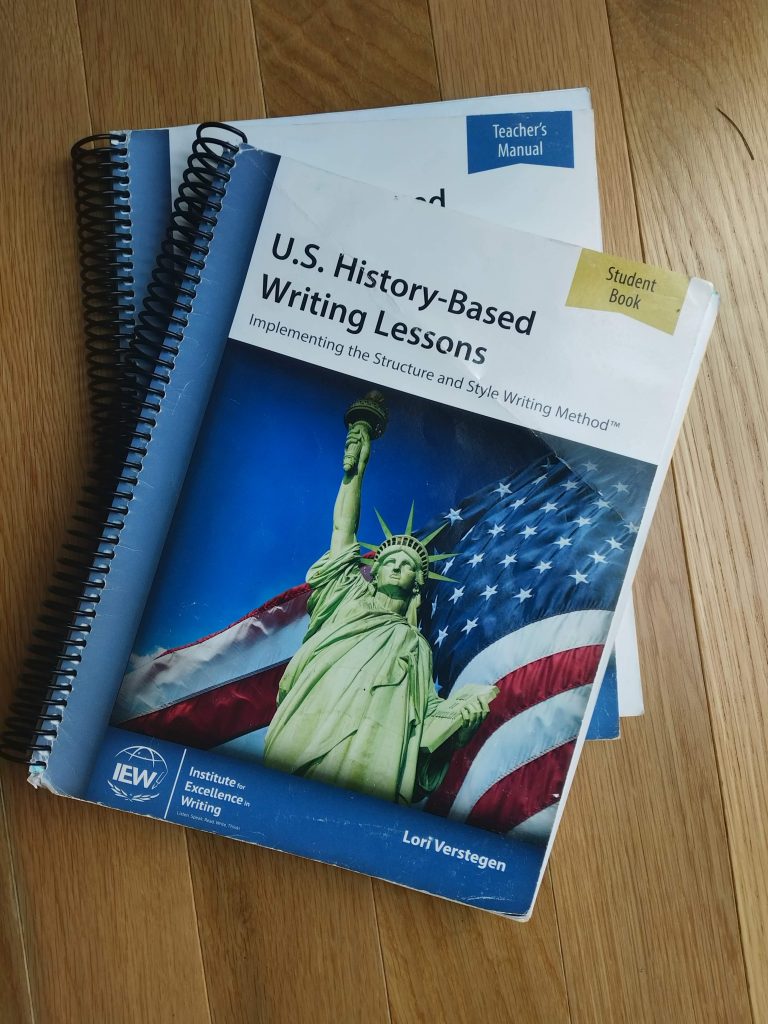
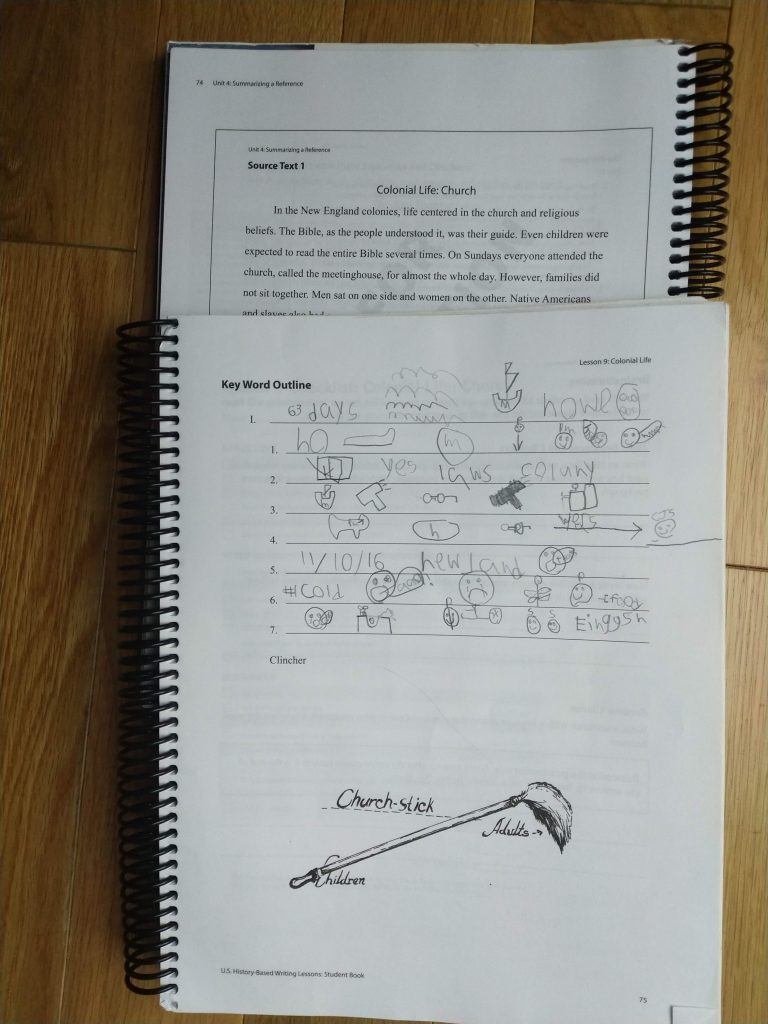
IEW Writing Lessons- I recommend purchasing both the student and teacher guide. Not only for the examples the teachers guide offers but the student can use the student book open to the key word outline page and use the teacher book open to the story page and it’s a bit smoother especially if your student is working on the dexterity element of writing/copy work. *The above photo is not necessarily for the current cycle. Double check with your Director or the CC bookstore to ensure you are purchasing the correct materials*
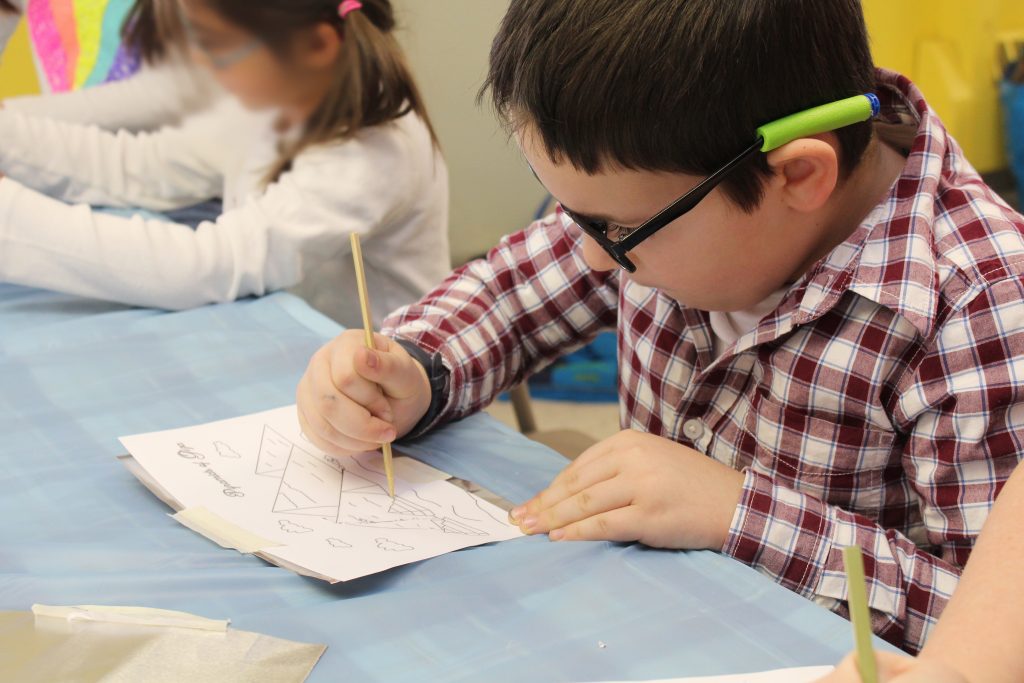
The name of the game is to keep the stick in the sand. Don’t over complicate the process! If you have a first year student and all they want to do is listen to the memory work in the car each day, go for it. You can also review if you are swinging on the swing set, going for a walk, in the bath, when Daddy gets home from work, before or after reading a story. The golden rule is to have them hearing it as much as possible. Even if you think they aren’t learning it, I promise you they are. I still remember when I’d be working with Mr1 on Memory work and we had come to some latin review. Before Mr1 could come up with the answer Mr2 chimes in with the correct response from across the room while playing with the train set. They are getting it just by listening to it , trust the method.
We love CC! Stay tuned for more details on how our family practices our CC at home from reviewing to Essentials to Presentations. Are you a new CC family? I’d love to connect and chat! If you would like more information about Classical Conversations go to www.classicalconversations.com/ to connect with a local community.


This post is so detailed. Tjose CDs are something very feasible for me
I’m thinking about homeschooling too! I’m glad you found something that works well for you!
Thanks for sharing all of this! I recenty came across classical conversations and was wanting to look for into it